
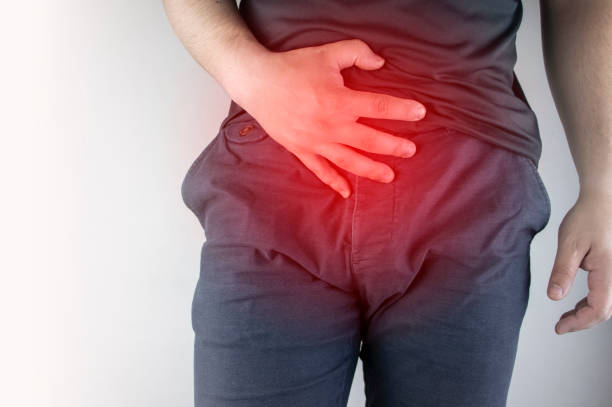
Ignoring an inguinal hernia might seem harmless at first, just a small bulge or mild discomfort near your groin. But over time, that "small" issue can grow into something far more serious — affecting not just your physical health, but also your confidence, relationships, and intimate life.
Many men silently wonder: can an inguinal hernia cause erectile dysfunction? The answer isn't as straightforward as yes or no, and that's exactly why this blog exists — to help you understand the connection, the risks, and the treatment options available at Kapadia Multispeciality Hospital.
What Is an Inguinal Hernia?
An inguinal hernia occurs when a portion of tissue, usually part of the intestine, pushes through a weak spot in the lower abdominal wall or groin area. It's one of the most common types of hernia and is more frequently seen in men. The bulge becomes more noticeable when standing, coughing, or lifting heavy objects.
While many people think a hernia is just a "lump," it's actually a sign of weakened muscle walls that require medical evaluation and often surgical correction.
Common Symptoms and Pains of an Inguinal Hernia
1. Persistent Groin Pain or Burning Sensation
The herniated tissue can press on nearby nerves, causing sharp or burning pain in the groin area. This pain often increases with movement or physical activity.
2. Swelling or Visible Bulge
You may notice a lump near the pubic bone or scrotum, which becomes more pronounced when coughing or standing. This can lead to constant discomfort and self-consciousness.
3. Heaviness and Weakness in the Groin
Some patients describe a feeling of heaviness, dragging, or weakness in the lower abdomen — a sign that the hernia is worsening and needs medical attention.
4. Pain During Physical Activity
Simple movements like bending, lifting, or walking for long periods may trigger pain, reducing mobility and affecting your work or exercise routine.
5. Testicular Pain and Swelling
In men, the hernia can extend into the scrotum, causing pain, swelling, and inflammation, which can interfere with daily life and intimacy.
These symptoms may not only cause physical discomfort but also lead to stress, anxiety, and reduced confidence, especially if pain interferes with sexual activity.
Can an Inguinal Hernia Really Cause Erectile Dysfunction?
Now, let's address the question that worries many men — can an inguinal hernia cause erectile dysfunction (ED)?
The short answer is: Indirectly, yes — in certain cases.
While an inguinal hernia itself doesn't directly cause ED, the pain, nerve compression, and psychological stress associated with it can contribute to erection problems. Let's break it down:
1. Nerve Compression and Blood Flow Issues
The inguinal canal contains nerves and blood vessels that are vital for normal sexual function. A large or untreated hernia can compress these structures, leading to pain, reduced blood flow, or numbness in the groin — all of which can interfere with erections.
2. Pain During Intercourse
Chronic groin pain or testicular discomfort may make sexual activity painful, causing men to avoid intimacy. Over time, this avoidance can lead to performance anxiety and psychological ED.
3. Emotional Stress and Anxiety
Living with a visible bulge and constant pain can take a toll on confidence. Emotional distress and anxiety can further worsen erectile dysfunction.
4. Post-Surgical Concerns
Some men worry that hernia surgery might cause ED. In reality, modern laparoscopic hernia repair is extremely safe when performed by experienced surgeons.
At Kapadia Multispeciality Hospital, our surgeons ensure that surrounding nerves and vessels are protected during the procedure, minimizing any risk of sexual dysfunction.
Why You Should Not Delay Inguinal Hernia Treatment
Delaying hernia treatment can lead to serious complications like strangulation, where part of the intestine becomes trapped, cutting off blood flow — a medical emergency that requires immediate surgery.
Beyond physical risk, an untreated hernia can reduce your overall quality of life:
- Constant pain can affect sleep and productivity
- Fear of movement limits daily activities
- Anxiety about appearance or intimacy affects confidence
By choosing Kapadia Multispeciality Hospital for Inguinal Hernia Treatment you get:
- Accurate diagnosis through advanced imaging
- Minimally invasive laparoscopic surgery for faster recovery
- Experienced surgeons specialized in hernia repair
- Comprehensive post-operative care to restore your health and confidence
Treatment Options for Inguinal Hernia
At Kapadia Multispeciality Hospital, we offer both open and laparoscopic hernia repair depending on the condition and severity.
Laparoscopic Hernia Repair
This modern, minimally invasive technique uses small incisions and a camera to repair the hernia using mesh reinforcement.
Benefits of Laparoscopic Hernia Repair:
- Minimal pain and scarring
- Faster healing and recovery
- Lower risk of recurrence
- Short hospital stay
Open Hernia Repair
In some cases, open surgery may be recommended for large or complicated hernias. It's a safe and effective procedure performed under expert supervision with complete post-surgical support.
Living a Normal Life After Hernia Surgery
With timely treatment and proper care, you can resume normal life, including sexual activity without any pain or fear. In fact, most patients at Kapadia Multispeciality Hospital report improved quality of life, renewed confidence, and no sexual dysfunction after full recovery.
So if you've been wondering whether your hernia could be the reason behind discomfort or intimacy issues, it's time to consult our experts.
Conclusion
While an inguinal hernia doesn't directly cause erectile dysfunction, its secondary effects — pain, nerve compression, stress, and anxiety — can impact sexual performance. Ignoring it can make the situation worse, but the good news is that early treatment is simple, safe, and highly effective.
If you notice a bulge, pain, or discomfort in your groin, don't delay. Contact Kapadia Multispeciality Hospital today for expert consultation and personalized treatment options. Your health, comfort, and confidence deserve immediate care.
Frequently Asked Questions
Can an inguinal hernia cause erectile dysfunction permanently?
No. In most cases, ED related to a hernia is temporary and resolves after proper treatment or surgery.
Is hernia surgery safe for sexual health?
Yes. At Kapadia Multispeciality Hospital, hernia repair is done with utmost care to avoid damage to surrounding nerves and blood vessels.
How long after hernia surgery can I resume sexual activity?
Typically, patients can resume sexual activity 2–3 weeks after surgery, depending on their healing progress and doctor's advice.
What are the signs my hernia is getting worse?
Increasing pain, swelling, nausea, vomiting, or a bulge that doesn't go back inside — all indicate worsening hernia. Seek medical help immediately.
Can lifestyle changes prevent a hernia from worsening?
Yes. Maintaining a healthy weight, avoiding heavy lifting, treating chronic cough, and eating fiber-rich foods can help prevent hernias from getting worse.
This article is for general awareness only. It does not replace a consultation, examination, diagnosis or treatment by a qualified doctor.