
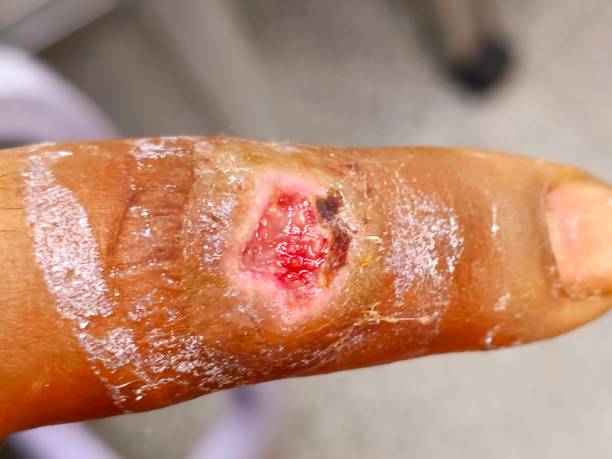
Diabetes significantly slows down the body's natural ability to heal wounds and this delay can be dangerous if ignored. Even a small cut, blister, or surgical wound can turn into a serious infection when blood sugar levels remain uncontrolled. High glucose damages blood vessels, reduces oxygen supply to tissues, weakens immunity, and disrupts collagen formation, all of which are essential for healing. This is why early intervention by a Diabetic Wound Care Specialist in Mumbai is not optional, it is critical!
At Kapadia Multispeciality Hospital, timely and advanced diabetic wound care has helped prevent complications like amputations, deep infections, and prolonged hospital stays.
Why Wound Healing Is Slower in People with Diabetes
Wound healing is a complex biological process involving blood circulation, immune response, and tissue regeneration. Diabetes interferes with each of these mechanisms.
1. Poor Blood Circulation
Chronic high blood sugar damages blood vessels, reducing circulation to the skin and extremities, especially the feet. Limited blood flow means wounds receive less oxygen and fewer nutrients, delaying healing. This is a common reason patients require specialized diabetic wound treatment.
2. Nerve Damage (Diabetic Neuropathy)
Diabetes often causes nerve damage, leading to loss of sensation. Minor injuries may go unnoticed for days or weeks, allowing wounds to worsen before treatment begins. This is particularly dangerous in cases requiring wound care for diabetic foot ulcers. Getting Neurological Testing helps identify the issue before it escalates to a bigger level.
3. Weakened Immune System
Elevated glucose levels impair white blood cell function, reducing the body's ability to fight infections. As a result, diabetic wounds are more likely to become infected and take longer to heal without expert diabetic wound care.
4. Increased Risk of Infection
Bacteria thrive in high-sugar environments. Open wounds in diabetic patients are at a much higher risk of infection, making prompt evaluation by a diabetic wound care specialist essential.
What Are Non-Healing Wounds in Diabetes?
A wound that does not show signs of improvement within 2–3 weeks is considered a non-healing wound. In diabetic patients, these wounds are common and dangerous. Non-healing wounds may appear as:
- Diabetic foot ulcers
- Surgical wounds that won't close
- Infected cuts or burns
- Chronic sores near ankles or toes
Kapadia Multispeciality Hospital offers dedicated Non Healing Wounds Treatment, using advanced diagnostics and evidence-based therapies to restore healing safely.
Diabetic Foot Ulcers: A Serious Complication
Diabetic foot ulcers are one of the most severe outcomes of delayed wound care. They occur due to poor circulation, neuropathy, and pressure points on the feet. Without proper wound care for diabetic foot ulcers, these ulcers can deepen, infect bones, and lead to amputation.
A trained Diabetic Wound Care Specialist in Mumbai focuses on:
- Pressure off-loading
- Infection control
- Tissue regeneration
- Blood sugar optimization
Early intervention dramatically improves outcomes.
Importance of Early Diabetic Wound Treatment
Delaying treatment is one of the biggest mistakes diabetic patients make. Early diabetic wound treatment helps:
- Prevent infection spread
- Reduce healing time
- Avoid surgical intervention
- Lower risk of amputation
- Improve quality of life
At Kapadia Hospital, multidisciplinary care ensures wounds are treated holistically, not just superficially.
Advanced Diabetic Wound Care at Kapadia Multispeciality Hospital
Kapadia Multispeciality Hospital is recognized for comprehensive diabetic wound care and Non Healing Wounds Treatment in Mumbai. The hospital combines clinical expertise with modern wound-healing technologies.
What Sets Kapadia Apart?
- Experienced Diabetic Wound Care Specialist in Mumbai
- Advanced wound dressings and debridement
- Infection-controlled wound management
- Customized care plans for diabetic patients
- Coordination with orthopedic and vascular specialists
Patients undergoing Bone Fracture Treatment in Goregaon with diabetes also receive specialized wound monitoring to prevent post-surgical complications.
Diabetic Wounds and Bone Health
Diabetes affects not only soft tissue but also bone healing. Patients undergoing Bone Fracture Treatment in Goregaon with diabetes are at higher risk of delayed union, infections, and non-healing surgical wounds. Kapadia Hospital integrates orthopedic care with diabetic wound treatment to ensure safe recovery.
Signs You Should See a Diabetic Wound Care Specialist Immediately
Do not wait if you notice:
- A wound not healing after 10–14 days
- Redness, swelling, or discharge
- Foul smell from the wound
- Blackened or dead tissue
- Pain or numbness around the wound
Immediate evaluation by a diabetic wound care specialist can prevent irreversible damage.
How You Can Support Wound Healing with Diabetes
While medical care is essential, patients can support healing by:
- Maintaining strict blood sugar control
- Inspecting feet daily
- Wearing proper footwear
- Following wound-care instructions carefully
- Avoiding home remedies without medical advice
These steps, combined with professional diabetic wound treatment, significantly improve healing outcomes.
Conclusion: Don't Ignore Diabetic Wounds
Diabetes changes how your body heals, and ignoring wounds can cost you dearly. What starts as a small cut can quickly escalate into a life-threatening condition. Early diagnosis, expert diabetic wound care, and timely Non Healing Wounds Treatment are crucial. Kapadia Multispeciality Hospital offers patient-centric care led by an experienced Diabetic Wound Care Specialist in Mumbai, helping patients heal safely and regain confidence in their health. Contact us now to know more about our services!
Frequently Asked Questions
Can high blood sugar alone stop a wound from healing?
Yes. Constant high blood sugar levels damage blood vessels and reduce oxygen delivery to tissues, which directly interferes with healing. Effective diabetic wound care always includes blood sugar management along with local wound treatment.
What is included in diabetic wound treatment?
Diabetic wound treatment includes infection control, debridement, advanced dressings, pressure off-loading, and blood sugar management.
Are diabetic foot ulcers preventable?
Yes. Regular foot checks, proper footwear, and early wound care for diabetic foot ulcers can prevent severe complications.
Can diabetic patients safely undergo bone fracture treatment?
Yes, but they require close monitoring. Kapadia Hospital provides integrated care during Bone Fracture Treatment in Goregaon to ensure proper wound and bone healing.
Are diabetic foot ulcers always painful?
Not necessarily. Due to diabetic neuropathy, many patients do not feel pain even when an ulcer is severe. This lack of sensation makes regular foot checks and professional wound care for diabetic foot ulcers extremely important.
Does smoking affect diabetic wound healing?
Yes. Smoking further reduces blood circulation and oxygen supply, worsening healing delays. Patients receiving Non Healing Wounds Treatment are strongly advised to quit smoking for better outcomes.
This article is for general awareness only. It does not replace a consultation, examination, diagnosis or treatment by a qualified doctor.