
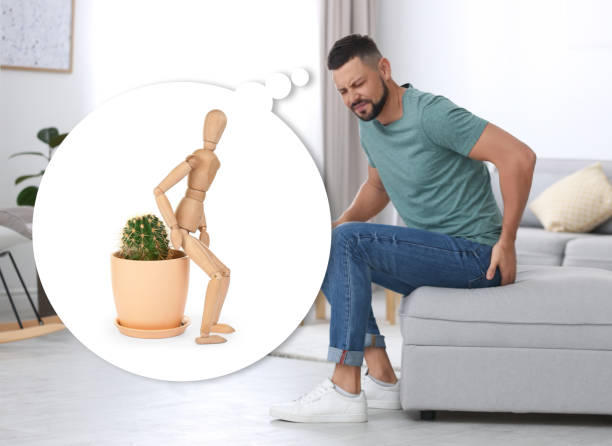
A fistula is an abnormal connection between two organs or vessels that are not normally connected. Most commonly, people suffer from an anal fistula, which forms between the anal canal and the skin near the anus. It can cause persistent pain, swelling, pus discharge, and discomfort during bowel movements. If left untreated, fistulas can lead to recurring infections, abscess formation, or even sepsis in severe cases. That’s why early diagnosis and treatment are crucial.
While surgery is the most common method to treat fistulas, many people look for non-invasive, natural alternatives, especially when the fistula is at an early stage or the individual is unfit for surgery. At Kapadia Multispeciality Hospital, we focus on both surgical and non-surgical options that can help patients find relief and manage the condition effectively.
What Causes a Fistula? Symptoms, Causes, and Risk Factors
Before exploring how to heal a fistula without surgery, it’s essential to understand its root causes and signs. Recognizing the condition early can significantly improve the success rate of non-surgical treatments.
1. Common Symptoms of a Fistula:
- Persistent pain around the anal region
- Pus or foul-smelling discharge from the anal area
- Irritation and redness of the skin
- Swelling near the anus
- Difficulty or pain during bowel movements
- Fever or chills in case of an infection
2. Causes of Fistula:
- Anal abscesses: The most common cause. When the abscess doesn’t heal properly, it can form a fistula
- Inflammatory Bowel Diseases (IBD): Conditions like Crohn’s disease or ulcerative colitis can lead to fistula formation
- Tuberculosis or sexually transmitted infections (STIs)
- Surgery or trauma to the anal region
- Radiation therapy
- Complications from piles or hemorrhoids, which, if untreated, can worsen into fistula. Read more about piles treatment
3. Risk Factors:
- Poor hygiene
- Chronic constipation or diarrhea
- Diabetes or weakened immune system
- Obesity
- Prolonged untreated infections in the anorectal area
Is It Possible to Heal a Fistula Without Surgery?
Yes, certain cases of fistula, especially low-grade or early-stage ones, can be treated without surgery using a combination of home remedies, Ayurvedic approaches, Ksharasutra therapy, and lifestyle changes. However, it’s essential to consult a qualified urologist or colorectal surgeon to ensure the fistula is suitable for non-surgical treatment. Explore our expert-led urology treatments for further insights.
Natural and Non-Surgical Ways to Treat Fistula
1. Ksharasutra Therapy (Ayurvedic Treatment)
One of the most effective non-surgical options, Ksharasutra is an Ayurvedic parasurgical procedure that uses a special medicated thread to treat fistula-in-ano. The thread is inserted into the fistulous tract, and it gradually cuts through and heals the tissue while preventing infection.
Benefits:
- Minimally invasive
- No general anesthesia required
- Low recurrence rate
- Effective for complex fistulas
2. Home Remedies and Natural Approaches
a) Sitz Bath
A warm water sitz bath 2-3 times a day can help reduce inflammation and pain. Add antiseptic solutions or Epsom salt for better results.
b) Turmeric Milk
Turmeric contains curcumin, a natural anti-inflammatory and antibacterial agent. Drinking warm turmeric milk before bedtime can help fight infection.
c) High-Fiber Diet
A fiber-rich diet improves bowel movement, reduces strain during defecation, and helps prevent constipation, one of the major triggers for fistula complications. Foods to include in your diet are:
- Whole grains
- Leafy greens
- Fruits like papaya, banana, and apple
- Psyllium husk
d) Aloe Vera Gel
Aloe vera has anti-inflammatory properties. Applying fresh aloe gel externally may help soothe the skin and reduce irritation.
e) Tea Tree Oil
Diluted tea tree oil (with a carrier oil like coconut oil) can be applied externally to prevent infection and promote healing. However, it must not be used internally.
3. Lifestyle Modifications
Making simple changes in your lifestyle can go a long way in managing and even healing a fistula without surgical intervention.
a) Hydration
Drink 2-3 liters of water daily to soften stools and improve digestion.
b) Regular Exercise
Engaging in light exercises such as walking or yoga can promote bowel regularity and reduce inflammation.
c) Stress Management
Stress can weaken your immune system and slow healing. Practice mindfulness, meditation, or breathing exercises regularly.
d) Good Hygiene
Keeping the anal region clean and dry reduces the risk of infection. Use mild soaps and avoid scrubbing the area harshly.
4. Antibiotic and Topical Treatments
While not a complete cure, antibiotics and topical treatments can help manage infection, pain, and inflammation in cases where surgery is not feasible or must be delayed.
- Topical ointments: Containing zinc oxide or hydrocortisone
- Oral antibiotics: To control bacterial infection
- Pain relievers: Ibuprofen or paracetamol to ease discomfort
These should only be taken under a doctor’s prescription and not as self-medication.
5. Regular Monitoring and Medical Supervision
Even if you’re following a non-surgical path, it’s crucial to consult a specialist regularly. Our experienced doctors at Kapadia Multispeciality Hospital will guide your healing journey, perform follow-up tests, and ensure the fistula is responding well to the treatment.
Conclusion
Healing a fistula without surgery is possible in selected cases, especially when detected early and managed properly under medical guidance. With the right mix of natural remedies, Ayurvedic procedures like Ksharasutra, and healthy lifestyle changes, one can significantly reduce the symptoms and even close the fistula tract over time.
At Kapadia Multispeciality Hospital, we offer a personalized approach to fistula treatment, both surgical and non-surgical, based on the severity of the condition. If you or someone you know is struggling with symptoms of fistula, consult our experts today for a comprehensive evaluation and treatment plan.
Frequently Asked Questions
Can a fistula heal naturally on its own?
In rare cases, very minor fistulas may close on their own. However, most require medical intervention to prevent complications.
Is Ksharasutra painful?
Ksharasutra causes minimal discomfort and is generally well tolerated. Local anesthesia may be used during the initial procedure.
How long does it take to heal a fistula without surgery?
Depending on the method used and the complexity of the fistula, healing can take anywhere from a few weeks to a few months.
Can I treat fistula at home completely?
While home remedies can manage symptoms, complete healing typically requires professional treatment and monitoring.
Which doctor should I consult for fistula treatment?
You should consult a proctologist or urologist with experience in anorectal disorders. You can explore urology treatments at Kapadia Hospital for expert care.
This article is for general awareness only. It does not replace a consultation, examination, diagnosis or treatment by a qualified doctor.