
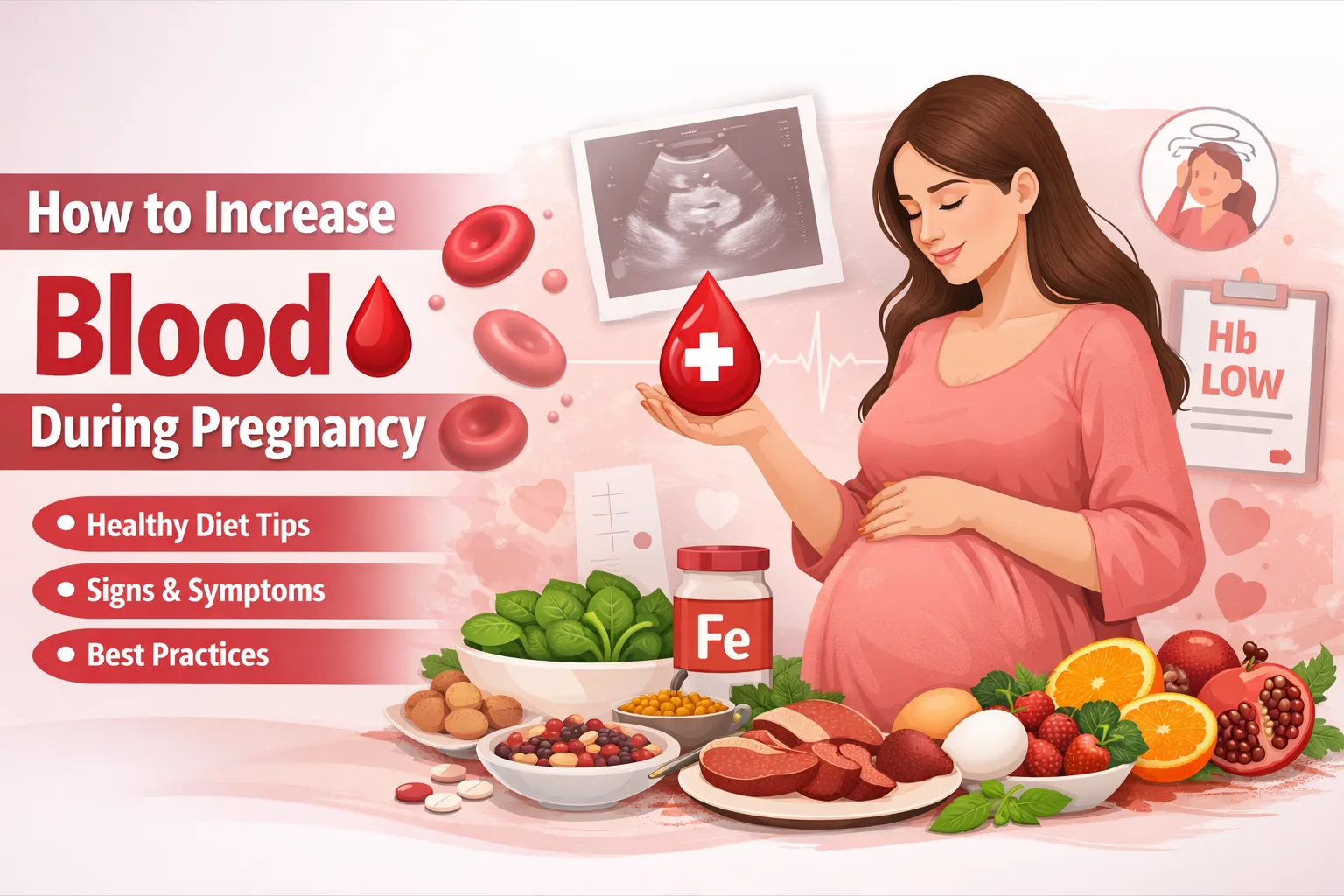
When blood levels drop, the body struggles to supply enough oxygen and nutrients to both the mother and the growing baby. If left untreated, this condition can increase the risk of fatigue, dizziness, premature delivery, low birth weight, and excessive bleeding during childbirth. In severe cases, it may even affect the baby's brain development and the mother's long-term health. This is why understanding how to increase blood during pregnancy is not just important, it is essential.
Why Is It Important to Increase Blood During Pregnancy?
During pregnancy, a woman's blood volume naturally increases to support the developing baby and placenta. However, if the body does not produce enough healthy red blood cells or maintain stable blood pressure, complications can arise.
Learning how to raise low blood pressure during pregnancy and improve blood levels helps ensure:
- Proper oxygen supply to the baby
- Healthy fetal growth and brain development
- Reduced risk of preterm labor
- Better energy levels for the mother
- Safer delivery and faster post-partum recovery
Maintaining healthy blood levels also lowers the chances of excessive bleeding during delivery and post-delivery weakness.
Common Concerns Faced Due to Low Blood During Pregnancy
Women with low blood or low blood pressure may experience several physical and medical issues. Some of the most common concerns include:
1. Extreme Fatigue and Weakness
Low blood reduces oxygen delivery to muscles and organs, causing persistent tiredness and exhaustion.
2. Dizziness and Fainting
Sudden drops in blood pressure can make pregnant women feel lightheaded, increasing the risk of falls.
3. Poor Fetal Growth
Insufficient blood flow to the placenta may lead to low birth weight or delayed fetal development.
4. Shortness of Breath and Palpitations
The heart works harder to compensate for low blood, leading to breathlessness and irregular heartbeats.
5. Increased Risk During Delivery
Low blood levels can cause excessive bleeding during childbirth and delayed recovery after delivery.
Understanding these risks highlights why knowing how to increase blood during pregnancy should be a priority for every expectant mother.
Signs and Symptoms of Low Blood During Pregnancy
- Persistent weakness or tiredness
- Pale skin or lips
- Frequent headaches
- Dizziness or fainting spells
- Cold hands and feet
- Nausea or blurred vision
- Rapid heartbeat
If these symptoms persist, consulting a gynecologist is crucial.
What to Eat to Increase Blood During Pregnancy
Diet plays a vital role in maintaining healthy blood levels. Many women search for low blood pressure during pregnancy and what to eat, and the answer lies in nutrient-rich foods.
Iron-Rich Foods
Iron is essential for producing hemoglobin.
- Spinach, beetroot, fenugreek
- Dates, raisins, figs
- Lean red meat and liver
- Lentils, chickpeas, kidney beans
Folic Acid Sources
Folic acid supports red blood cell formation.
- Oranges and citrus fruits
- Avocados
- Broccoli and asparagus
Vitamin B12 Foods
Helps in red blood cell production.
- Milk and dairy products
- Eggs
- Fish and chicken
Vitamin C for Better Absorption
Vitamin C improves iron absorption.
- Amla
- Guava
- Lemon
- Tomatoes
Including these foods daily is one of the most effective ways to understand how to raise low blood pressure during pregnancy naturally.
Best Practices to Increase Blood During Pregnancy
Along with diet, healthy lifestyle practices can make a significant difference.
Stay Hydrated
Dehydration can worsen low blood pressure. Drink enough water, coconut water, and fresh juices.
Eat Small, Frequent Meals
Large meals can cause sudden drops in blood pressure. Smaller meals help maintain stability.
Avoid Sudden Movements
Standing up too quickly can cause dizziness. Rise slowly from sitting or lying positions.
Adequate Rest
Proper sleep and short daytime rests improve blood circulation.
Prenatal Supplements
Iron, folic acid, and vitamin supplements should only be taken under medical supervision.
These practices support overall well-being and help regulate blood pressure effectively.
How to Avoid Low Blood During Pregnancy
- Attend regular antenatal check-ups
- Monitor blood pressure and hemoglobin levels
- Avoid skipping meals
- Reduce excessive caffeine intake
- Wear compression stockings if advised
- Follow doctor-recommended supplements strictly
Early diagnosis and consistent care reduce complications significantly.
When Should You See a Doctor?
If symptoms like frequent fainting, extreme weakness, or rapid heartbeat occur, medical evaluation is necessary. Persistent low blood levels may require specialized treatment and monitoring.
At Kapadia Multispeciality Hospital, experienced gynecologists and physicians provide comprehensive prenatal care, personalized diet guidance, and advanced diagnostic support to ensure both mother and baby remain healthy throughout pregnancy.
Conclusion
Low blood during pregnancy is a common yet serious condition that should never be ignored. From affecting daily energy levels to impacting fetal development and delivery outcomes, the consequences can be long-lasting if untreated. Understanding how to increase blood during pregnancy, following a nutrient-rich diet, adopting healthy lifestyle practices, and seeking timely medical care can ensure a safe and healthy pregnancy journey. With proper guidance and expert support, mothers can protect their own health while giving their baby the best possible start in life. Contact Kapadia Multispeciality Hospital today if you face any of these symptoms!
Frequently Asked Questions
Low blood pressure during pregnancy: what to eat?
Foods like spinach, beetroot, dates, lentils, dairy products, and citrus fruits help maintain healthy blood pressure and blood levels.
How to raise low blood pressure during pregnancy safely?
Avoid sudden movements, drink plenty of fluids, eat small frequent meals, and follow your doctor's advice on supplements.
Is low blood dangerous for the baby?
If untreated, it can affect oxygen supply and fetal growth. Early diagnosis and treatment help prevent complications.
When should I consult a doctor for low blood during pregnancy?
If symptoms like dizziness, fainting, or extreme fatigue persist, immediate medical consultation is recommended.
This article is for general awareness only. It does not replace a consultation, examination, diagnosis or treatment by a qualified doctor.