
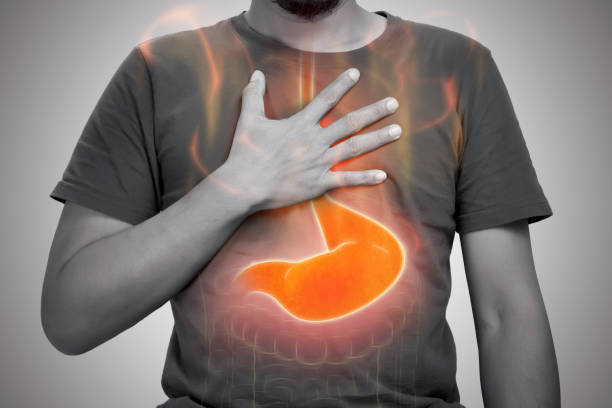
Pain or a lump in the upper abdomen can be alarming, especially when it interferes with daily activities, digestion, or movement. Many people immediately assume it is an epigastric hernia, but in reality, several other medical conditions can closely mimic its symptoms. Misdiagnosis or delayed evaluation can worsen the condition and lead to complications. This is why timely assessment and expert epigastric hernia treatment are essential.
At Kapadia Multispeciality Hospital, specialists ensure accurate diagnosis and appropriate care before the condition progresses.
Understanding Epigastric Hernia
An epigastric hernia occurs when fatty tissue or part of the intestine pushes through a weak spot in the abdominal wall between the breastbone and the navel. It may present as a visible bulge, discomfort, or pain, especially while bending, lifting, coughing, or straining.
However, not every upper abdominal lump or pain is a hernia. Several other conditions can closely resemble it, leading to confusion without proper medical evaluation.
Conditions That Can Be Mistaken for Epigastric Hernia
1. Lipoma (Fatty Lump)
A lipoma is a benign collection of fat under the skin. It often feels soft, movable, and painless, which can make it look similar to an epigastric hernia.
Key difference:
- Lipomas do not increase in size while coughing or straining
- They do not cause digestive discomfort
Unlike hernias, lipomas do not require epigastric hernia surgery, but accurate diagnosis is crucial.
2. Gastritis or Acid Reflux (GERD)
Upper abdominal pain caused by gastritis or acid reflux is commonly mistaken for hernia discomfort.
Key difference:
- Pain is usually burning or aching
- Symptoms worsen after meals or lying down
- No visible or palpable lump
These conditions require medical management, not epigastric hernia treatment.
3. Peptic Ulcer Disease
Stomach or duodenal ulcers can cause sharp or gnawing pain in the epigastric region, often confused with hernia pain.
Key difference:
- Pain may be relieved or worsened by food
- No physical bulge is present
- May be associated with nausea or black stools
Ulcers are treated medically, while hernias require surgical evaluation.
4. Muscle Strain or Abdominal Wall Injury
Overexertion, heavy lifting, or sudden twisting movements can cause abdominal muscle strain.
Key difference:
- Pain is localized and movement-dependent
- No lump that changes with pressure
- Symptoms improve with rest
Persistent pain should still be evaluated to rule out the need for epigastric hernia surgery.
5. Diastasis Recti
This condition involves separation of the abdominal muscles, often seen after pregnancy or weight fluctuations.
Key difference:
- Causes a midline bulge when straining
- Not a true hernia
- Rarely painful
Unlike epigastric hernias, diastasis recti usually does not require surgical intervention.
6. Gallbladder Problems
Gallstones or gallbladder inflammation can cause pain in the upper abdomen, sometimes radiating to the back or shoulder.
Key difference:
- Pain often occurs after fatty meals
- Associated with nausea or vomiting
- No visible abdominal lump
Imaging tests help differentiate this from conditions needing epigastric hernia treatment.
7. Tumors or Abdominal Masses
Rarely, abdominal tumors or cysts can present as lumps in the upper abdomen.
Key difference:
- Lump may be firm and fixed
- Does not change with coughing
- May be associated with weight loss or fatigue
Prompt medical evaluation is critical in such cases.
Why Accurate Diagnosis Matters?
Mistaking another condition for an epigastric hernia or vice versa, can delay appropriate treatment. Untreated epigastric hernias may enlarge over time and cause complications such as incarceration or strangulation, making epigastric hernia surgery more complex.
At Kapadia Multispeciality Hospital, diagnosis is confirmed through:
- Detailed physical examination
- Ultrasound or CT imaging
- Assessment of symptoms and lifestyle factors
This ensures patients receive the right epigastric hernia treatment at the right time.
When Is Epigastric Hernia Surgery Needed?
Not all epigastric hernias cause severe symptoms initially, but surgery is often recommended when:
- Pain increases over time
- The lump becomes larger or tender
- Daily activities are affected
- There is a risk of complications
Modern epigastric hernia surgery is safe, effective, and often minimally invasive, allowing faster recovery and long-term relief.
Epigastric Hernia Treatment at Kapadia Multispeciality Hospital
Kapadia Multispeciality Hospital provides comprehensive care for epigastric hernias, from diagnosis to post-surgical recovery.
What Patients Can Expect:
- Accurate differentiation from similar conditions
- Personalized epigastric hernia treatment plans
- Advanced surgical techniques
- Focus on faster recovery and minimal recurrence
The hospital's patient-centric approach ensures safety, comfort, and long-term results.
When Should You See a Doctor?
Consult a specialist immediately if you experience:
- A visible or growing upper abdominal lump
- Pain while lifting or bending
- Persistent discomfort in the epigastric region
- Symptoms that worsen over time
Early evaluation can prevent complications and simplify epigastric hernia surgery if required.
Conclusion
Many conditions can be mistaken for an epigastric hernia, ranging from harmless fatty lumps to serious digestive or abdominal disorders. Self-diagnosis often leads to delays and unnecessary discomfort. The safest approach is early medical evaluation and expert guidance. At Kapadia Multispeciality Hospital, patients receive accurate diagnosis and advanced epigastric hernia treatment, ensuring timely relief and optimal outcomes. Contact us now to get your epigastric hernia treatment.
Frequently Asked Questions
How can I tell if my lump is an epigastric hernia?
An epigastric hernia usually forms a bulge that becomes more noticeable while coughing or straining. Imaging tests confirm the diagnosis.
Can acid reflux be mistaken for an epigastric hernia?
Yes. Acid reflux causes upper abdominal pain but does not produce a physical lump, unlike an epigastric hernia.
Is every epigastric hernia painful?
No. Some epigastric hernias are painless initially but may become symptomatic over time.
Does an epigastric hernia go away on its own?
No. Hernias do not heal without medical intervention and often require epigastric hernia surgery.
Is epigastric hernia surgery safe?
Yes. Modern epigastric hernia surgery is highly safe with minimal risks when performed by experienced surgeons.
This article is for general awareness only. It does not replace a consultation, examination, diagnosis or treatment by a qualified doctor.