
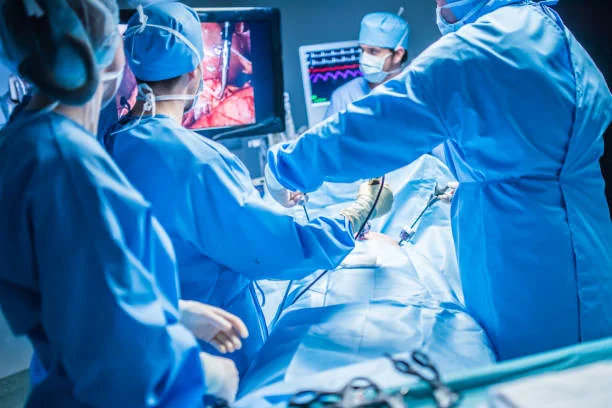
When a patient develops conditions such as gallbladder stones, appendicitis, hernia, gynecological problems, abdominal infections, or diagnostic concerns inside the abdomen, surgery is often required to treat the issue effectively and prevent complications. Many of these conditions today can be managed through laparoscopy, a minimally invasive surgical approach that helps patients recover faster, experience less pain, and resume normal life quickly. However, timely diagnosis and early treatment are extremely important. At Kapadia Multispeciality Hospital, experienced surgeons, advanced technology, and well-equipped operation theaters ensure that patients receive safe, precise, and result-oriented surgical care at the right time, before the condition becomes severe or life-threatening.
Understanding the Basics: What Is Laparoscopy and What Is Open Surgery?
What Is Laparoscopy?
Laparoscopy, often referred to as “keyhole surgery” or “minimally invasive surgery,” is a modern surgical technique where the surgeon makes very small incisions (usually 0.5 – 1 cm). Through these small cuts, a thin tube with a camera (laparoscope) and specialized instruments are inserted to perform the procedure. The camera projects high-definition images on a screen, allowing surgeons to perform the surgery with precision without needing to open the entire abdomen.
What Is Laparoscopy?
Common laparoscopic procedures include:
- Gallbladder removal (Laparoscopic Cholecystectomy)
- Appendix removal (Laparoscopic Appendectomy)
- Hernia repair
- Diagnostic laparoscopy
- Gynecological surgeries such as ovarian cyst removal, hysterectomy, and endometriosis treatment
What Is Open Surgery?
Open surgery is the traditional surgical method where a larger incision is made to access the affected organ or area directly. This gives surgeons a direct view and physical access to the internal structures. Open surgery is still crucial in many complex, emergency, or advanced cases where minimally invasive methods may not be suitable.
Open surgery is generally recommended in:
- Major trauma cases
- Complex abdominal infections
- Large tumors
- Severe complications
- Emergency situations where speed is critical
Laparoscopy vs Open Surgery: What Is the Difference?
Both approaches aim to treat the condition effectively, but they differ significantly in how they are performed, recovery time, comfort, and cosmetic results. Below is a practical comparison:
| Factor | Laparoscopy | Open Surgery |
|---|---|---|
| Incision Size | Very small (few millimeters) | Large incision |
| Pain | Minimal | Relatively more |
| Recovery Time | Faster | Slower |
| Hospital Stay | Shorter | Longer |
| Scarring | Almost invisible | Visible scar |
| Infection Risk | Lower | Comparatively higher |
| Precision | High due to camera magnification | Depends on exposure and access |
| Suitability | Most planned & moderate cases | Complex, emergency, or advanced cases |
Benefits of Laparoscopy
1. Faster Recovery and Early Return to Normal Life
Patients undergoing laparoscopic surgery usually return to routine activities much earlier compared to open surgery. This is particularly valuable for working professionals, elderly patients, and homemakers who cannot afford prolonged downtime.
2. Minimal Pain and Discomfort
Because the cuts are very small, post-operative pain is significantly reduced. This helps patients move comfortably, breathe normally, and avoid complications related to immobility.
3. Reduced Risk of Infection and Complications
Smaller wounds mean fewer chances of infection, reduced bleeding, and safer healing. This also lowers the risk of long-term complications.
4. Better Cosmetic Result
Since laparoscopy leaves tiny scars that fade over time, it is preferred by many patients who are concerned about post-surgery appearance.
5. Short Hospital Stay
Most laparoscopic procedures allow patients to go home sooner, reducing hospitalization costs and enhancing comfort.
Risks and Limitations of Laparoscopy
Although laparoscopy is highly advanced and safe, it is still a surgical procedure and carries some risks such as:
- Reaction to anesthesia
- Rare bleeding or internal injury
- Conversion to open surgery if needed during the procedure
- Limitations in extremely complex cases
This is why choosing an experienced surgical team and a well-equipped hospital like Kapadia Multispeciality Hospital is essential for safety and successful outcomes.
Benefits of Open Surgery
1. Ideal for Complex and High-Risk Cases
Open surgery allows surgeons direct access to internal organs, making it the preferred option when the condition is complicated, extensive, or when internal structures are difficult to visualize through a camera.
2. Suitable in Emergencies
In urgent situations such as major trauma, ruptured organs, severe infections, or life-threatening bleeding, open surgery is often the fastest and safest life-saving option.
3. Trusted and Time-Tested Approach
Open surgery has been practiced for decades and remains reliable, especially when laparoscopy may not be feasible.
Risks and Limitations of Open Surgery
- More pain compared to minimally invasive surgery
- Longer hospital stay and recovery period
- Higher risk of infection
- Larger & visible scar
- Slower return to daily routine
Which One Is Better: Laparoscopy or Open Surgery?
There is no one-word answer because “better” depends on:
- The patient’s condition
- Severity of disease
- Presence of complications
- Patient’s age and overall health
- Surgeon’s recommendation
In most planned and routine cases, laparoscopy is preferred due to its comfort, faster recovery, and minimal invasiveness. However, in complicated, advanced, or emergency situations, open surgery may be the best and safest option.
The most important thing is not to delay treatment. Early diagnosis and timely surgical intervention prevent complications, reduce risk, and improve outcomes.
Why Choose Kapadia Multispeciality Hospital for Laparoscopy and Surgery?
At Kapadia Multispeciality Hospital, patient safety, precision, and successful recovery come first. The hospital is equipped with:
- Advanced laparoscopic surgical systems
- Experienced and highly skilled surgeons
- Modern operation theaters
- Strong infection control protocols
- Compassionate nursing and post-operative care
- Patient-centric approach and transparent guidance
Each case is individually evaluated, and the best surgical approach, whether laparoscopic or open is recommended to ensure the best possible results.
Conclusion
Both laparoscopy and open surgery play vital roles in modern medical treatment. The best option depends on the patient’s health condition and the nature of the disease. What matters most is choosing the right hospital and getting timely treatment. If you or your loved one is experiencing abdominal pain, gallbladder issues, hernia symptoms, gynecological concerns, or has been advised surgery, consult Kapadia Multispeciality Hospital for the right guidance, precise diagnosis, and advanced surgical care.
Frequently Asked Questions
Does laparoscopic surgery hurt?
Mild discomfort may occur, but the pain is significantly less compared to open surgery.
How soon can I resume work after laparoscopy?
Most patients recover faster and return to routine life sooner, depending on the type of surgery and medical advice.
Can every surgery be done laparoscopically?
No. Certain complex or emergency conditions may still require open surgery.
How long does a laparoscopic surgery usually take?
The duration depends on the type of procedure, but most laparoscopic surgeries take 30 minutes to 2 hours. Complex procedures may take longer based on the patient’s condition.
How many days do I need to stay in the hospital after a laparoscopy?
Most patients are discharged within 24–48 hours, and in some cases on the same day, depending on recovery, surgery type, and doctor’s advice.
Is laparoscopic surgery safe for elderly patients?
Yes, in many cases laparoscopy is safer for elderly patients because it involves less trauma, less pain, and faster recovery. However, suitability depends on overall health and medical evaluation.
Will I have stitches after laparoscopic surgery?
Yes, but they are very small and often dissolvable stitches. The scars are minimal and usually fade over time.
How soon can I walk after laparoscopic surgery?
In most cases, patients are encouraged to walk within a few hours after surgery, as early movement helps reduce complications and promotes faster recovery.
What are the signs of complications after surgery?
Seek medical attention if you experience: Severe or increasing abdominal pain Persistent fever Excessive bleeding Swelling or pus at incision site Difficulty breathing Vomiting or inability to pass stool/gas Kapadia Multispeciality Hospital ensures strong post-operative monitoring to prevent such complications.
Is laparoscopic surgery more expensive than open surgery?
Costs vary based on procedure, hospital, and equipment. While laparoscopy may sometimes have a slightly higher procedural cost, it usually reduces hospital stay, medication needs, and recovery expenses, making it cost-effective overall.
This article is for general awareness only. It does not replace a consultation, examination, diagnosis or treatment by a qualified doctor.